
The short answer
- Stay clear of broken or hanging limbs; damaged branches and nearby wires affect the access and handling a pruning job needs.
- The number of trees, their height and crown spread shape the amount of pruning work.
- Roof clearance, access to the limbs and space for equipment, seasonal timing and brush hauling all affect the scope behind the price.
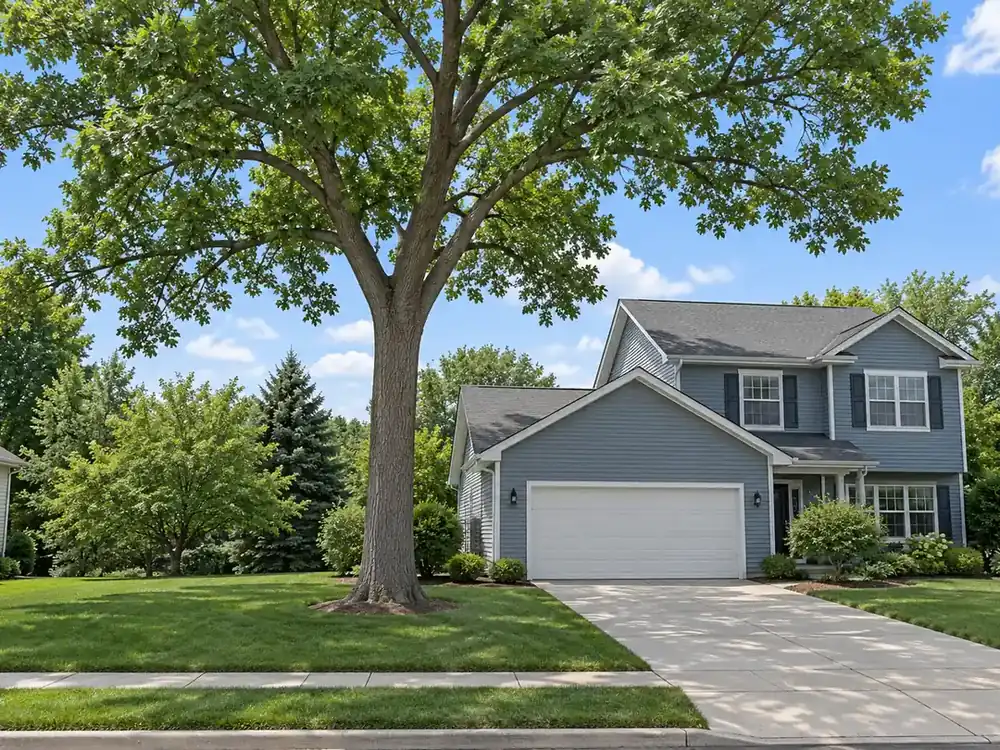
Branch Position and Pruning Scope Shape the Cost
Tree trimming service cost reflects the branches being addressed, the way they are reached and the cleanup included. Removing deadwood from one crown differs from raising low limbs on several trees. Call about the trees and the spaces beneath them; your tree pro will assess the work against those needs.
Over the Roof: Branch Position Adds Work
Branches extending across a roof require room and controlled handling during pruning. From the ground at a safe distance, notice limbs touching the gutter, crossing above the chimney or resting on the roof. Call about rubbing branches or broken wood rather than moving closer for a better look.
A tree pro weighs branch size and attachment as well as height. Reaching a few outer limbs may involve more setup than working throughout a smaller, accessible tree. Access to the limbs and room for equipment depend on the yard, driveway and equipment position. Neither factor makes the price predictable without seeing the tree.
Treat any sagging or fallen wire as energized, keep well away and call the address's electric utility or 911. If ComEd is your electric provider, ComEd directs people to leave the area and report downed power lines. Tree pruning around wires needs utility coordination.
Above the Driveway: Clearance Has a Specific Scope
Low branches over a driveway call for a clearance assessment that preserves an appropriate crown. Keep people, pets and cars away from cracked or hanging limbs and from leaning trees. A safe observation from the ground is enough to start a call; photos should come only from a safe distance.
Compare tree trimming prices against the same goal. Removing selected dead branches, raising the lower crown and thinning crowded growth involve different branch choices. University of Minnesota Extension describes crown raising as removing lower branches for clearance and thinning as selective branch removal. Those descriptions help define the job without turning the homeowner into the person doing it.
Back-Yard Shade Trees: Size and Tree Count Matter
A broad oak crown generally takes more reach and branch handling than a small ornamental tree. Height alone leaves out crown spread, the number of branches selected and how far brush must travel to reach the loading area. Call when dead tips, crossing limbs or uneven clearance change how you use the yard.
| Factor | What your tree pro assesses |
|---|---|
| Number of trees | Separate pruning goals and work positions |
| Height and crown spread | Reach and the distribution of selected branches |
| Roof and driveway clearance | Handling branches above structures or parking areas |
| Deadwood or storm breaks | Branch condition and the order of work |
| Gate and truck access | Access to the limbs, room for equipment and the hauling route |
| Cleanup | Brush removal and the agreed finish |
An average cost for tree trimming combines jobs with very different scopes. Several small trees sharing an open work area are not the same task as several large trees behind separate fences. Your tree pro considers the whole property while keeping each tree's needs distinct.
Along the Fence: Selective Pruning Preserves Structure
Branches crossing a fence need an assessment of the tree and access on both sides. Describe the fence and any shed beneath the crown during your call. Topping is not an appropriate shortcut: University of Illinois Extension explains that topping leaves large stubs and encourages weakly attached shoots. Selective thinning or raising has a defined purpose; removing the top indiscriminately does not.
Oak Pruning Timing and Street-Side Trees
Routine oak pruning belongs in the dormant season, following The Morton Arboretum's guidance to judge dormancy and insect activity rather than rely solely on calendar dates. Species and seasonal timing belong in the work plan. Broken limbs still warrant a call now; your tree pro assesses damage separately from routine seasonal pruning.
For a tree in Aurora's parkway, the city's Tree Care and Maintenance page identifies city ownership and maintenance and directs concerns to 311. Describe the street-side location when calling about other trees on the lot so the work areas are clear.
Brush Hauling and the Agreed Finish
Cleanup adds handling beyond the pruning itself, especially where brush must pass through a narrow gate. Discuss hauling, any wood you want retained and access across the lawn. An assessment of branch condition and access is needed to put a dependable price on the job. A local tree care partner in our network will explain the selected pruning, disposal arrangements and price before any work starts.