
The short answer
- Broken or hanging limbs need a call now and a clear area beneath them, regardless of the routine pruning season.
- Most deciduous shade trees suit late dormant-season pruning, with species and tree condition guiding the plan.
- Oak wilt precautions restrict routine oak pruning during the growing season, while spring-flowering trees generally suit pruning after bloom.
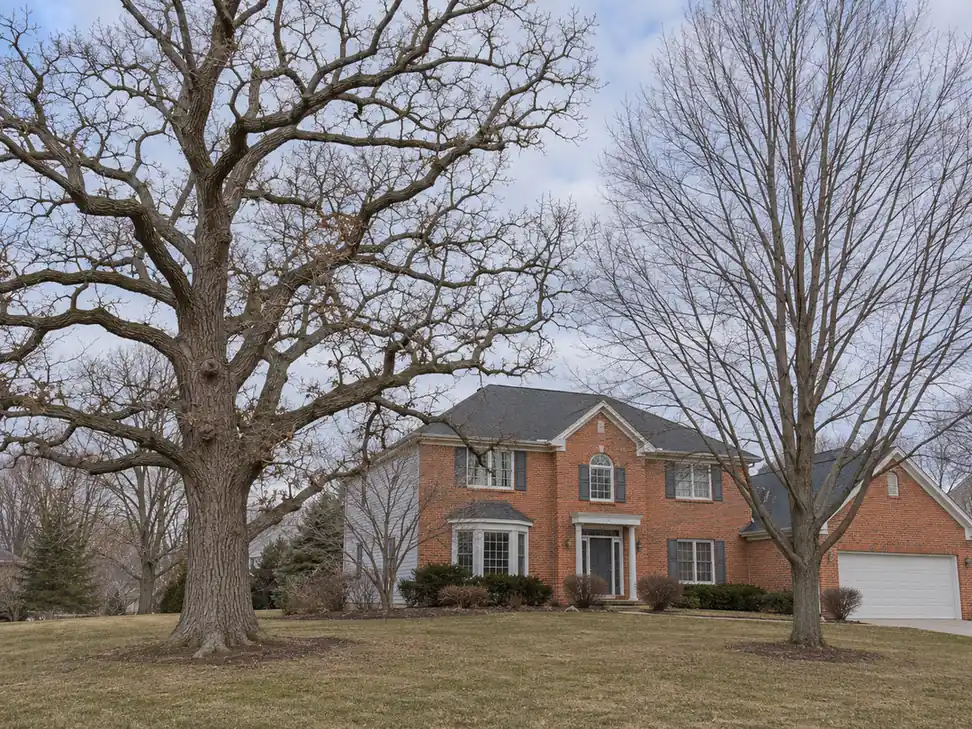
Pruning Timing Depends on Species and Branch Condition
Species, branch condition and the purpose of the work determine the pruning season. For routine work on most deciduous shade trees, Illinois Extension identifies the late dormant season as optimal. A damaged limb needs a separate decision. Call about what you can see from the ground, whether the tree shades the backyard or reaches over the house.
The Backyard Shade Tree in Winter
Late winter often suits routine work because bare branches reveal the tree's structure. When pruning trees, your tree pro looks at crossing limbs, competing trunks and the clearance the tree needs. The Morton Arboretum's pruning advice places most deciduous-tree work between dormancy in late fall and very early spring.
If you're deciding when to trim a tree, the time of year is only part of the decision. A hollow, split fork or thin crown calls for an assessment of the whole tree. Pruning may address particular branches; a tree with substantial structural problems needs a broader discussion. Describe the change during the call without going closer for a better look.
Oaks Over the Driveway
Routine oak pruning needs a narrower seasonal plan because fresh wounds can attract insects that spread oak wilt. The Morton Arboretum's oak wilt guidance says to avoid pruning from mid-April to mid-October and identifies early November through very early April as the safest period.
A low oak limb over a parking space is a reason to call and plan clearance work, not a reason to ignore the species. Keep cars away from damaged limbs. Your tree pro can distinguish routine clearance from damage requiring attention during the growing season.
Spring Flowers Beside the House
Spring-flowering trees generally suit pruning after their blossoms finish when preserving the flower display is the aim. Illinois Extension explains that timing and notes that earlier pruning removes some flowers. Mention a redbud or other flowering tree beside the front walk during the call so bloom time is considered alongside clearance.
| Tree or situation | Timing to discuss |
|---|---|
| Most deciduous shade trees | Late dormancy, following Illinois Extension's recommendation |
| Routine oak pruning | Outside mid-April to mid-October, following the Arboretum's oak wilt caution |
| Spring-flowering trees | After flowering when retaining blooms matters |
| Dead or storm-broken limbs | Prompt assessment rather than waiting for a routine season |
Summer Growth and Autumn Leaves
Tree trimming in summer calls for a species-specific reason rather than a general plan to thin every crown. The Arboretum notes an exception for sap-bleeding trees such as maples: work after foliage fully emerges in very early summer can avoid the sap flow associated with late-winter or early-spring cuts. Sap bleeding itself doesn't harm the tree.
Tree trimming in fall depends on dormancy rather than the first cool afternoon. The same Arboretum guidance advises watching leaf loss and tree condition instead of relying solely on the calendar, particularly for oaks. Ask your tree pro about the tree trimming time of year that fits the species on your lot.
Broken Limbs Against the Roof or Fence
Dead and storm-broken limbs warrant attention at any time, according to Illinois Extension. Your tree pro explains when damaged trees should be trimmed and which branches need attention. Call promptly about a hanging piece, a split branch or wood resting on the roof. Keep people and pets away, and take photographs only from a safe distance.
Treat sagging or downed wires as live and stay well back; contact the electric utility serving the property or 911. If ComEd is your electric provider, its downed-line instructions direct you to leave the area and call.
A Pruning Plan That Preserves the Crown
Pruning is good for trees when each cut serves a clear purpose and preserves healthy structure. Heavy cutting just because a storm is forecast is a poor substitute for that assessment. Illinois Extension's discussion of topping explains that cutting main branches into stubs produces weakly attached shoots and wounds prone to decay.
Flush cuts also remove tissue important to wound closure, and stripping away too much foliage reduces the tree's ability to make food, as Illinois Extension describes. Your tree pro sets the extent of work with those limits in mind. One of our local tree service partners will go over the branches included, debris removal and price with you before pruning starts. Call to discuss trimming and pruning now; the work can be scheduled around the tree's needs.